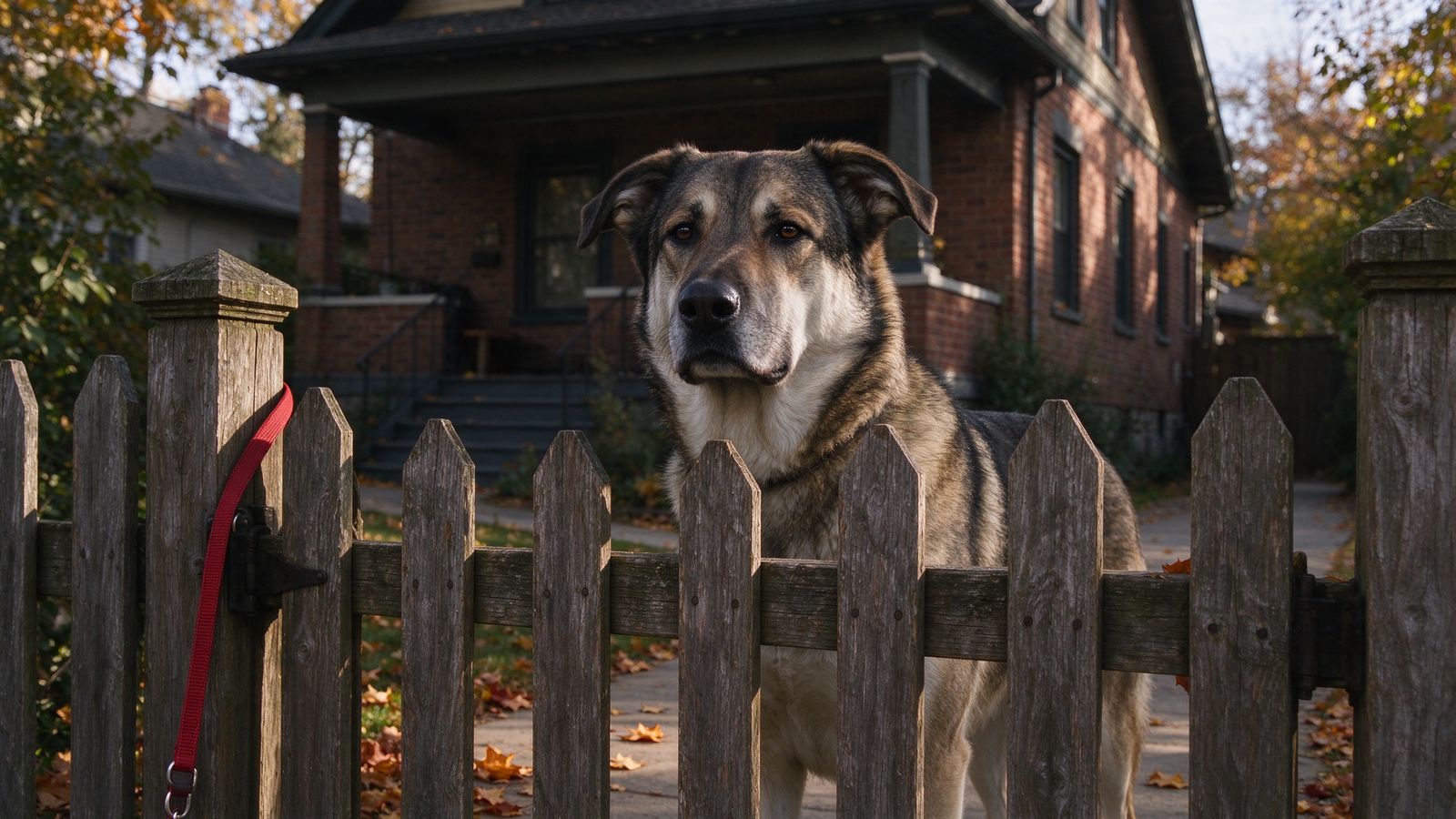
Dog bites are personal in a way crashes are not. The dog often belongs to a neighbor, a relative or a friend, and many people hesitate to make a claim at all. It helps to know that most dog bite claims are paid by an insurance policy, not out of the owner's pocket, and that the law has its own specific rules.
Two paths: the statute and ordinary negligence
Colorado's dog bite statute, C.R.S. 13-21-124, makes a dog owner responsible for economic damages when the dog causes serious bodily injury or death to a person who is lawfully on public or private property, without needing to prove the owner knew the dog was dangerous. That is often called strict liability. The statute has exceptions and is limited to economic damages, such as medical bills and lost wages.
Bites that do not meet the serious bodily injury threshold, and claims for non-economic damages like pain and suffering, are generally handled under ordinary negligence principles. Under that path, evidence that the owner knew or should have known about the dog's tendencies, or broke a leash or containment rule, becomes important.
| Statute (C.R.S. 13-21-124) | Ordinary negligence | |
|---|---|---|
| Injury level | Serious bodily injury or death | Any injury |
| Owner's knowledge | Generally not required | Usually a central issue |
| Damages | Economic damages | Economic and non-economic |
| Key evidence | Medical records showing severity | Prior incidents, leash rules, warnings |
Exceptions the statute lists
The statute does not apply in several situations it names. In general terms these include a person who was trespassing, a person who knowingly provoked the dog, certain people working with the dog in their job (veterinary and grooming staff, for example), and dogs working in specific roles such as police work. There is also an exception connected to property posted with warning signs. The exact wording matters, so read it with a lawyer rather than relying on a summary.
Reports, records and the dog's history
Report the bite to animal control. Inside the City and County of Denver that is Denver Animal Protection; surrounding cities and counties have their own agencies. The report documents the incident, identifies the dog and owner, and may involve a quarantine to check for rabies. Ask for the report number.
- Photograph the wounds on the day and as they heal. Scarring is often a large part of a bite claim.
- Get the owner's name, address and, if they will share it, insurance information.
- Ask neighbors whether the dog has bitten or charged at anyone before. Prior incidents can matter under the negligence path.
- Keep torn clothing in a bag.
- the dog belongs to a friend or relative
- remember the claim is usually against their homeowner's or renter's insurance, not their savings.
- the owner cannot be identified
- report it to animal control right away; rabies treatment decisions may depend on finding the dog.
- the bite happened at a rental property
- a landlord's responsibility can be a separate question; note who owns the property.
Injuries, scarring and children
Bites can cause puncture wounds, tearing, infection, nerve damage and, for children especially, facial injuries. Scars may need revision surgery years later. Because children's claims involve future growth and treatment, and because Colorado has special rules for minors' claims and settlements, families should get legal advice before resolving any claim on a child's behalf.
Get medical care, report the bite, photograph wounds over time, and learn which path, the statute or negligence, fits your injury. A Colorado attorney can apply the exceptions to your facts.