Fall claims have a reputation for being hard, and the reputation is earned. Unlike a car crash, there is rarely a police report, the hazard is often cleaned up within minutes, and the owner's first response is usually that you should have been watching where you walked. Evidence and timing carry these cases.
The Colorado Premises Liability Act in plain terms
When someone is hurt on another person's property because of the property's condition or activities on it, Colorado generally applies the Premises Liability Act, C.R.S. 13-21-115. The statute sorts the injured person into one of three categories, and the owner's duty changes with each.
| Category | Typical example | What the owner generally owes |
|---|---|---|
| Invitee | A shopper in a store, a customer at a restaurant | Reasonable care against dangers the owner actually knew about or should have known about |
| Licensee | A social guest at a private home | Reasonable care with respect to dangers the owner created or actually knew about |
| Trespasser | Someone on the property without permission | Only liability for deliberate harm, in most situations |
This table simplifies a statute that courts have interpreted many times. Children, landlords and tenants, and properties owned by government bodies can raise different issues. Treat it as a map of the vocabulary, not an answer.
Knowledge is usually the whole fight
For a typical store fall, the central question is whether the owner knew, or should have known, that the hazard was there. A spill that happened ten seconds before you walked by is different from one that sat for half an hour while employees passed it. That is why the details matter: the condition of the spill (footprints, cart tracks and drying edges suggest time), where staff were, whether there was a mat or a sign, and the store's own inspection practices.
Snow and ice: Denver's most common fall
Colorado winters produce a steady stream of falls on icy sidewalks, parking lots and entryways. Freeze and thaw cycles mean a surface that was clear at noon can be glazed by late afternoon. Denver's ordinance requires property owners to clear snow from adjacent sidewalks within a set time after a storm, but whether a missed shovel creates a claim for a pedestrian is a separate legal question that depends on the property and the facts.
- you fell in a business parking lot or entryway
- the premises liability statute likely applies; note how long since the last snowfall and whether there was any sand, salt or mat.
- you fell on a city sidewalk or at a public building
- the Colorado Governmental Immunity Act may apply, with a short written notice deadline. Get advice quickly.
- you fell at a rental property where you live
- landlord and tenant responsibilities can be split by the lease; keep a copy of it.
The incident report and what to say
Report the fall to a manager or the property owner before you leave if you can. Ask them to write up an incident report and give you the report number or a copy. Keep your statement short: where you were, what you slipped or tripped on, and that you were hurt. Avoid speculating ("I probably wasn't looking") and avoid minimizing ("I'm fine") while you are still in shock.
Injuries from falls
Falls cause wrist and ankle fractures, hip injuries (particularly for older adults), back injuries, and head injuries from striking the floor or a step. Some of these, especially hip fractures in older people, can change mobility permanently. Get evaluated promptly and describe exactly how you fell to each provider.
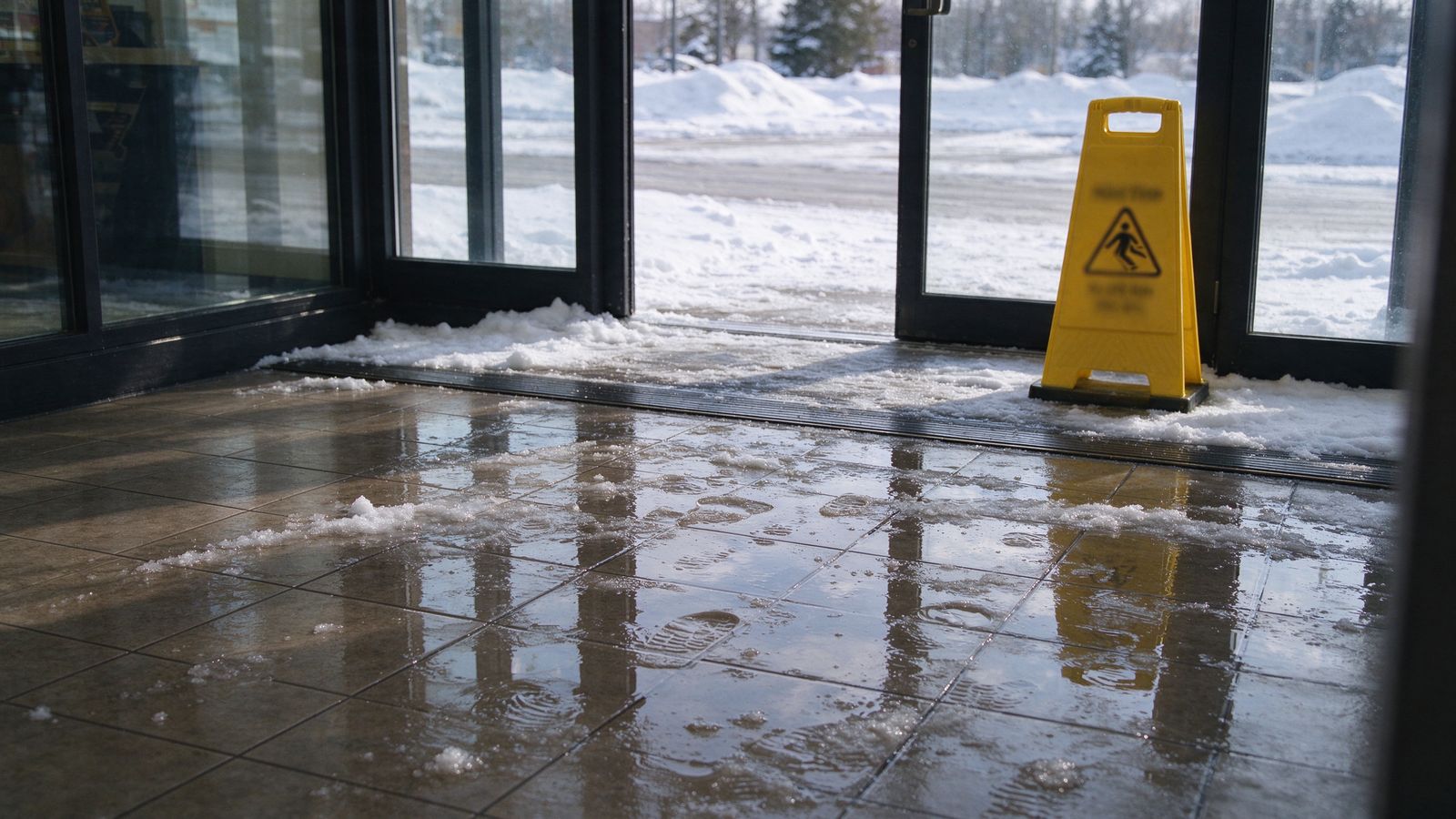
Photograph the hazard and your shoes, report the fall, ask in writing for the video to be saved, and get care. The owner's knowledge of the hazard is usually the deciding issue.